
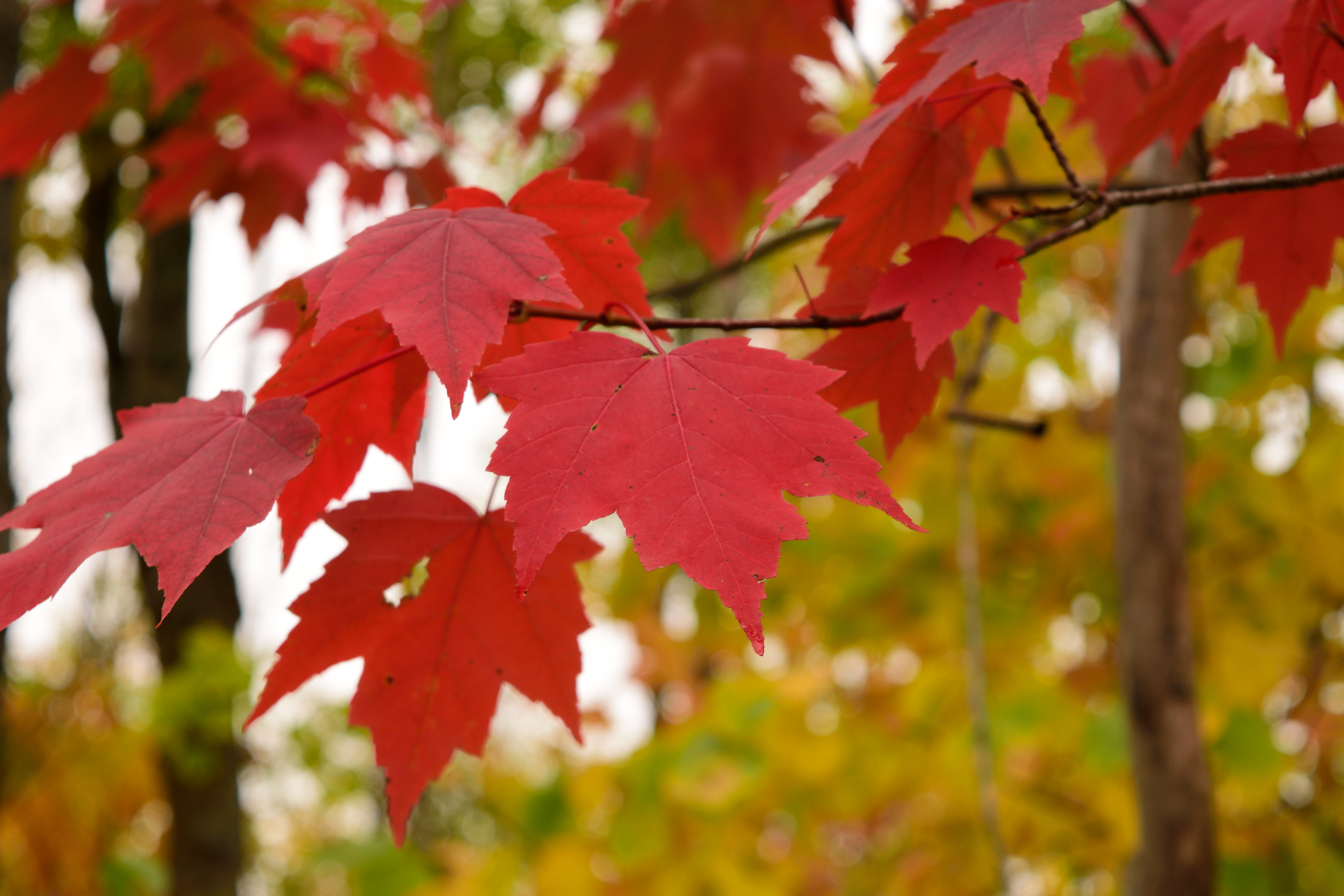
As summer fades and Toronto cools down, the city’s tree canopy begins its annual transformation. From High Park’s oaks to the maples along the Don Valley, one of the most beautiful sights in our city is the shift from lush green to fiery reds, oranges, and yellows.
“Many people think the first cool night is what makes the leaves turn,” says John Ransom, a local ISA Certified Arborist with the Davey Tree Expert Company in Toronto. “In reality, it’s a mix of conditions, like moisture, sunlight, and tree health all coming together to create the brightest colours.”
So, what’s really behind the show? It comes down to four key pigments:
- Chlorophyll: The source of green throughout the growing season. As it breaks down in the fall, hidden colours emerge.
- Carotenoids: Responsible for the yellows we see in maples and birches. Present all year but masked by green until autumn.
- Anthocyanins: Produce the vibrant reds and purples, especially after sunny days followed by cool nights.
- Tannins: The pigment that turns leaves brown just before they drop.
In Ontario, peak colour typically occurs between late September and mid-October, although timing varies by location and weather conditions. In Toronto, you can often catch the brightest displays in the first two weeks of October.
Why Leaves Sometimes Change Early — Or Look Dull
Several stressors can impact the brilliance of Toronto’s fall display:
- Heavy rain: Saturated soil can stress tree roots, leading to early colour and leaf drop. It can also weaken roots, leaving trees more vulnerable to storm damage.
- Drought: Dry spells cause trees to conserve water, reducing chlorophyll and dulling colour. Signs include browning, wilting, or early leaf drop.
- Heat stress: Hot summers can scorch leaves, leaving them yellowed or dry around the edges before fall even arrives.
- Diseases and insects: Pests such as aphids or fungal infections can damage foliage and cause premature colour changes.
Helping Toronto’s Trees
Urban trees already face extra stress from compacted soil, pollution, and limited growing space. Residents can help by:
- Watering trees once a week during dry spells through October.
- Adding a layer of mulch (such as wood chips or shredded leaves) around trees helps retain moisture, but keep the mulch away from the trunk.
- Watching for signs of pests or disease and calling a certified arborist if you notice unusual leaf drop, spotting, or branch dieback.
“Toronto’s canopy is an incredible asset to the city,” Ransom adds. “When residents help their trees through stress, whether that’s a hot, dry summer or heavy rain, they’re also helping ensure those brilliant fall colours return year after year.”
Toronto’s fall colour is a highlight of the year, from neighbourhood streets lined with maples to weekend trips north. By understanding what drives the change and how stress affects it, we can appreciate the science behind the beauty while helping keep our city’s canopy healthy for years to come.
The Davey Tree Expert Company provides research-driven tree services, grounds maintenance and environmental solutions for residential, utility, commercial and environmental partners across North America. Founded in 1880 and with Canadian operations in Canada for almost 100 years, Davey is dedicated to creating and delivering sustainable solutions as one of North America’s largest employee-owned companies. Find your place at Davey and apply today!

Leave a Reply